






Puzzle Style Illustrations
Puzzle illustrations turn interlocking shapes into clear metaphors for connection and teamwork. Drop modular scenes into dashboards and onboarding flows when you need structured yet playful narration.
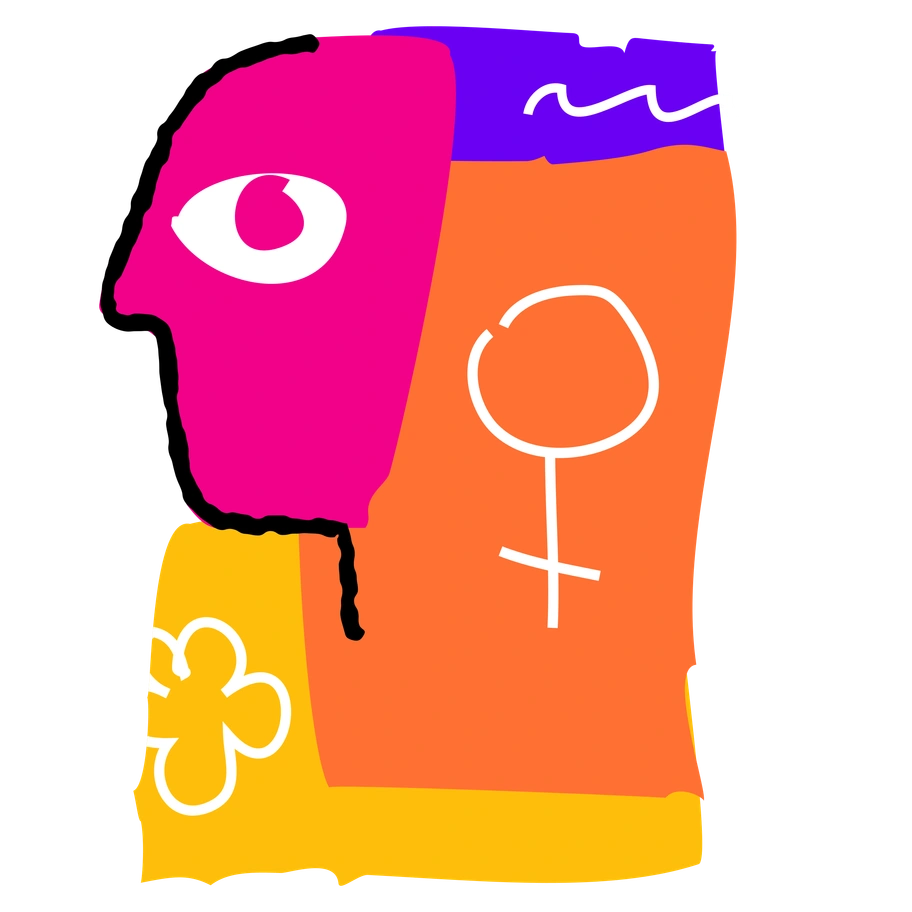


What is Puzzle Style?
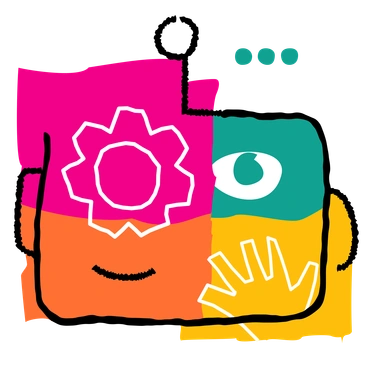
Rendered with clean vector lines and bright blocks of color, Puzzle illustrations arrange geometric pieces into interlocking compositions. Small doodle accents hint at motion and interaction between every segment.
Designers building SaaS dashboards or learning products reach for Puzzle when they need visual metaphors for integration and modular workflows. It also clarifies collaborative problem‑solving in documentation pages and onboarding tours.
Where Puzzle visuals shine


Puzzle packs by subject



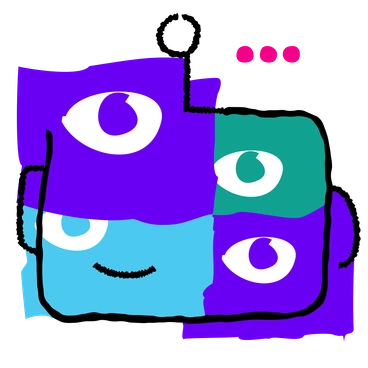
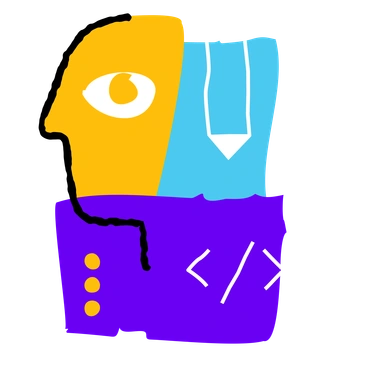
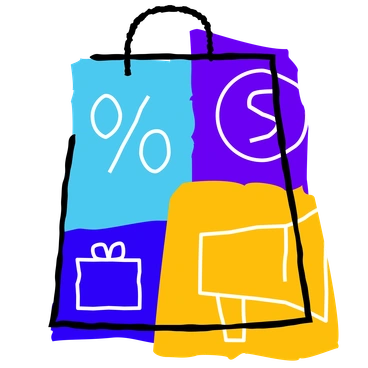

Common Puzzle metaphors
Scenes often show people aligning pieces, abstract connectors between services and modular systems forming bigger structures. Check tags to jump straight into collaboration and workflow or education themes.
Narrowing down your Puzzle fit
Comparing styles helps you choose whether Puzzle’s modular geometry or another mood communicates your product story best.

Quirky leans on loose characters and hand‑drawn oddities, while Puzzle stays geometric and focused on connection metaphors.

Rocky uses textured shading and irregular edges for a rugged feel. Puzzle remains smooth, flat and tightly aligned for systems thinking.

Vibrant packs scenes with lively characters and bold shapes, whereas Puzzle highlights abstract pieces and connectors over narrative figures.

Transistor references retro electronics with outlined devices and screens. Puzzle instead abstracts technology into generic ports and snap‑together blocks.
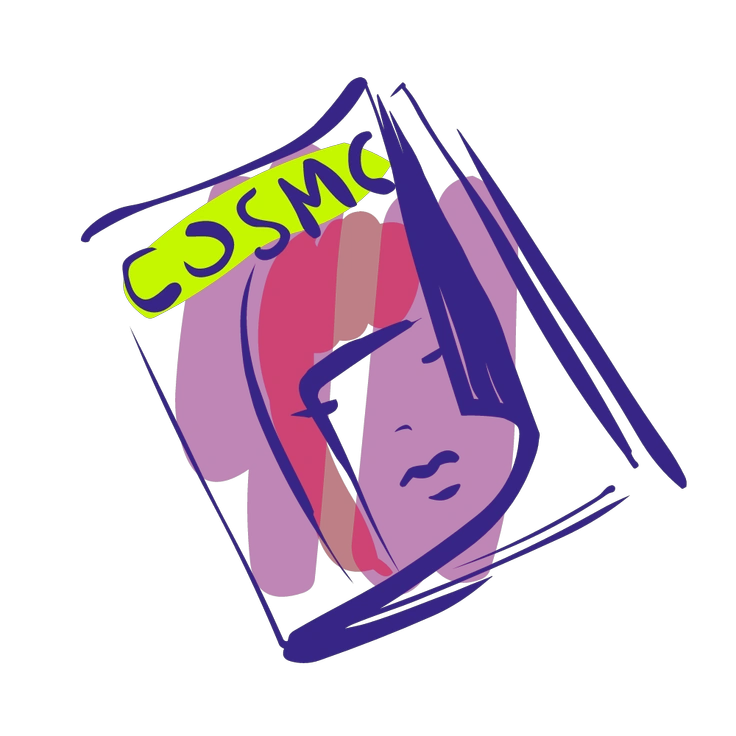
Glam brings glossy gradients and elegant poses suited to fashion brands. Puzzle keeps everything flat and schematic for tools and dashboards or learning products.
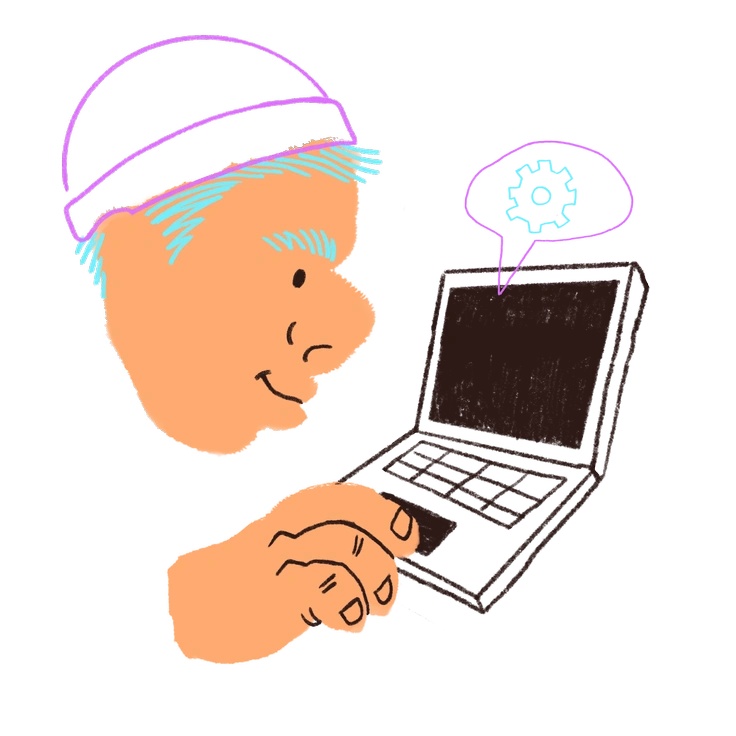
Blobby favors soft organic shapes that feel fluid. Puzzle uses tighter geometry and visible connectors that emphasize modular relationships.

Wiggle fills canvases with wavy forms and animated energy lines, while Puzzle arranges clearly defined pieces into logical structures.

Bouncy emphasizes motion through squashed characters and dynamic poses. Puzzle instead expresses activity by snapping shapes together into finished diagrams.

Pixeltrue leans closer to classic SaaS illustration with friendly characters and scenes. Puzzle stays more abstract, centering mechanical connectors and puzzle segments.

Lime relies on monochrome greens and simple silhouettes. Puzzle uses a wider color range and more explicit interlocking pieces.

Storyline focuses on sequential comic‑like panels and character actions. Puzzle condenses ideas into single modular layouts built from structural pieces.

Cubes works with isometric blocks that suggest depth and perspective. Puzzle stays completely flat and favors recognizable jigsaw‑style connectors.
Frequently asked questions


Start using Puzzle illustrations today
Sign in, grab PNG previews or SVG source files, and start dropping Puzzle metaphors into product mockups. Test them in Figma or Sketch and update flows without waiting on custom art.