






3D Isometric Style Illustrations
3D Isometric uses a strict grid and bold colors to explain complex products. Give your SaaS flows precise depth and keep diagrams readable. Reports gain consistent geometry without any custom modeling.



What is 3D Isometric Style?
The collection leans on a strict 30-degree grid with crisp geometric volumes. Bright single-tone surfaces and strong top-left lighting define edges while plain backgrounds keep each business or technology object clearly separated.
Most commonly used in walkthroughs and process diagrams, 3D Isometric helps teams visualize servers and dashboards. Marketing leads drop scenes into landing pages and slides, while trainers reuse them in onboarding flows.
For diagrams and product tours


3D Isometric collections

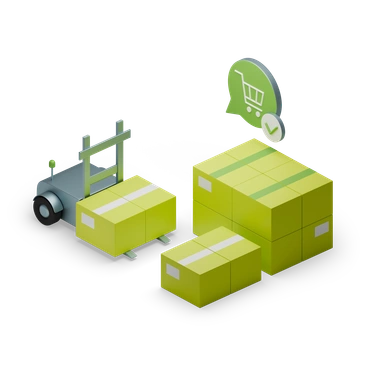

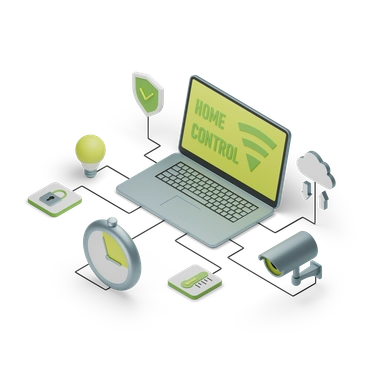



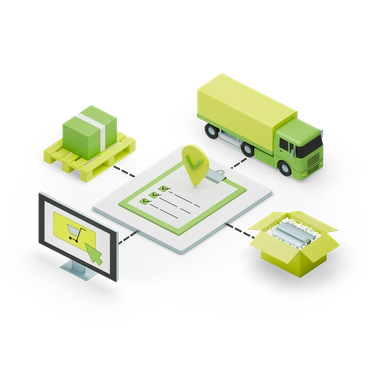
Common isometric subjects
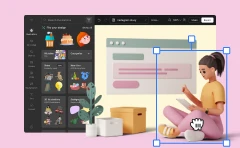
Scenes focus on office desks with devices and charts, plus server stacks explaining cloud infrastructure. Many illustrations depict dashboards or documents in space. Browse by tag to jump straight to needed topics.
Finding your isometric fit
Comparing styles helps you decide whether scenes should look highly technical or relaxed, so each project stays visually coherent.
3D Construction emphasizes machinery with heavy forms and safety elements, whereas 3D Isometric leans toward streamlined hardware and simplified workflows.

3D Corporate uses realistic proportions and softer gradients, while 3D Isometric sticks to strict geometry with flat single-tone color planes.
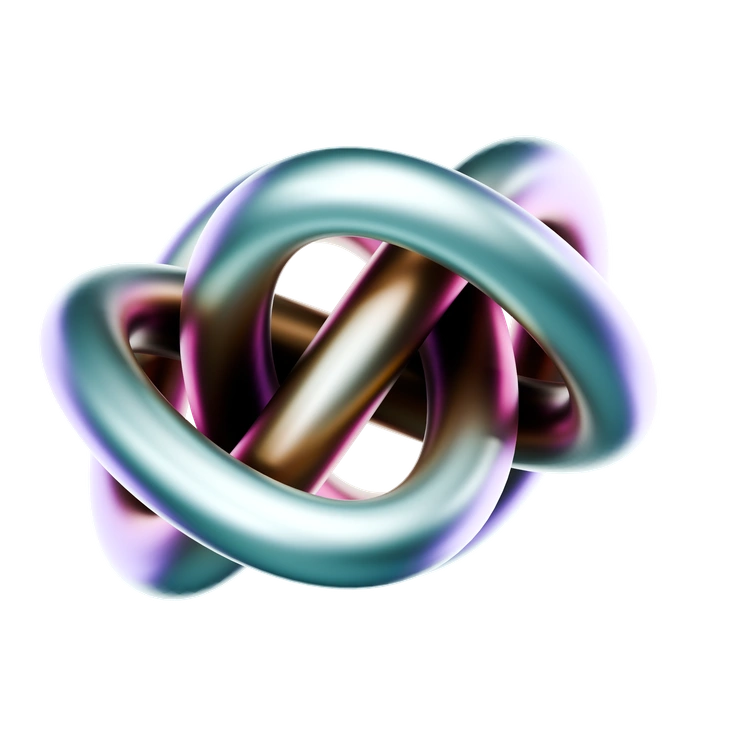
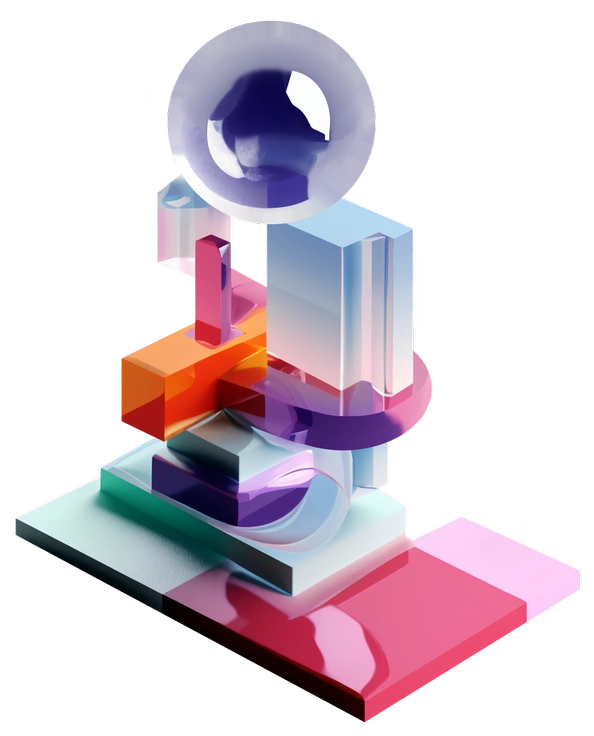
3D Crystex features translucent facets and glassy reflections, whereas 3D Isometric favors opaque blocks and high-contrast silhouettes for technical diagrams.

3D Grid builds scenes from floating cubes and abstract surfaces, while 3D Isometric focuses on business objects and interface elements.
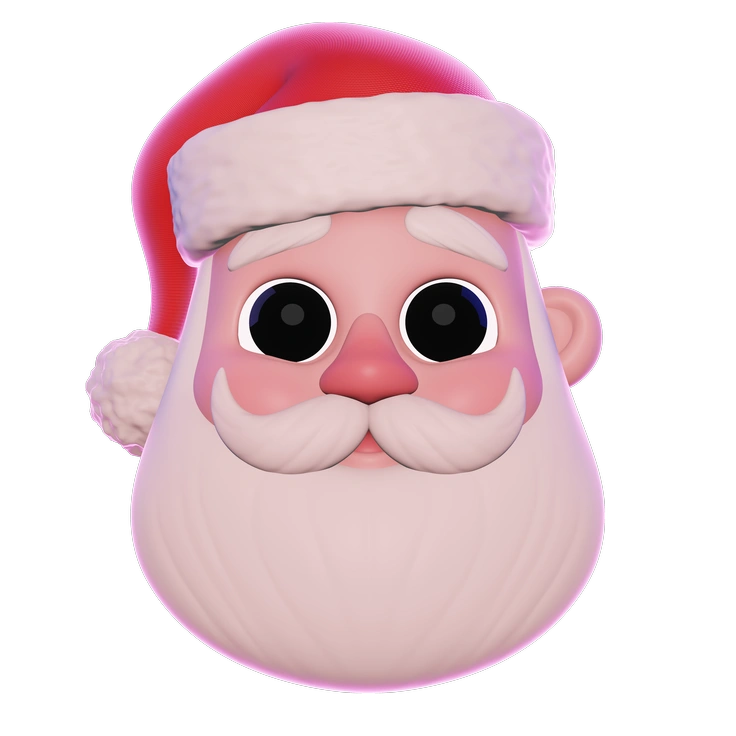
3D Holidays concentrates on seasonal icons and festive props, whereas 3D Isometric keeps to neutral business technology useful year-round.
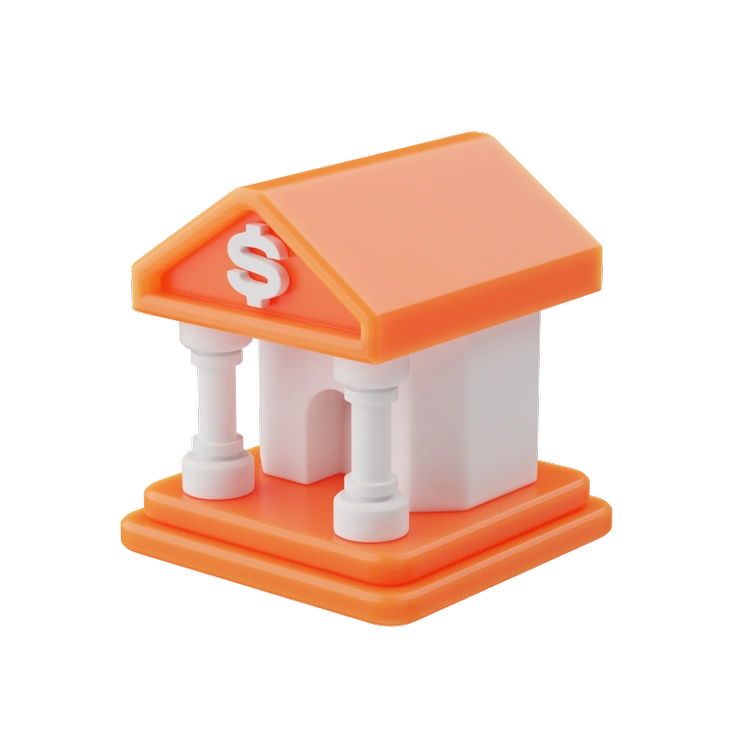
3D Kit offers modular pieces intended for UI widgets, while 3D Isometric delivers more complete device scenes and process compositions.

3D Plastic people centers on characters with stylized bodies, while 3D Isometric keeps attention on equipment and schematic interfaces.
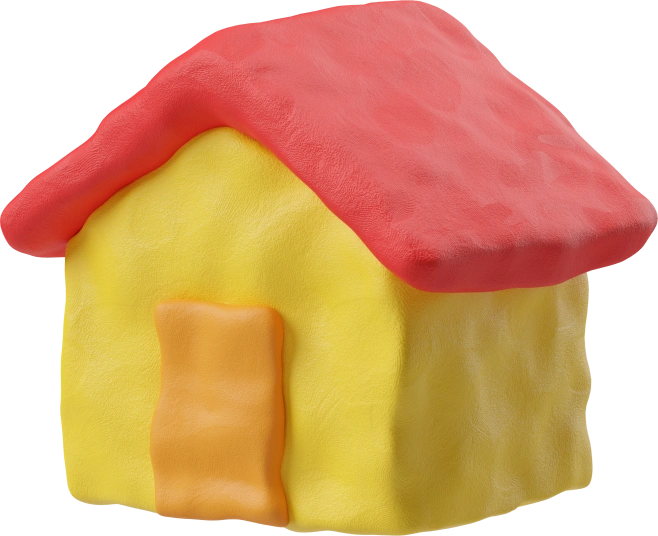
3D Plastilina mimics clay with soft edges and finger-pressed surfaces; 3D Isometric instead uses crisp planes suited to technical schematics.
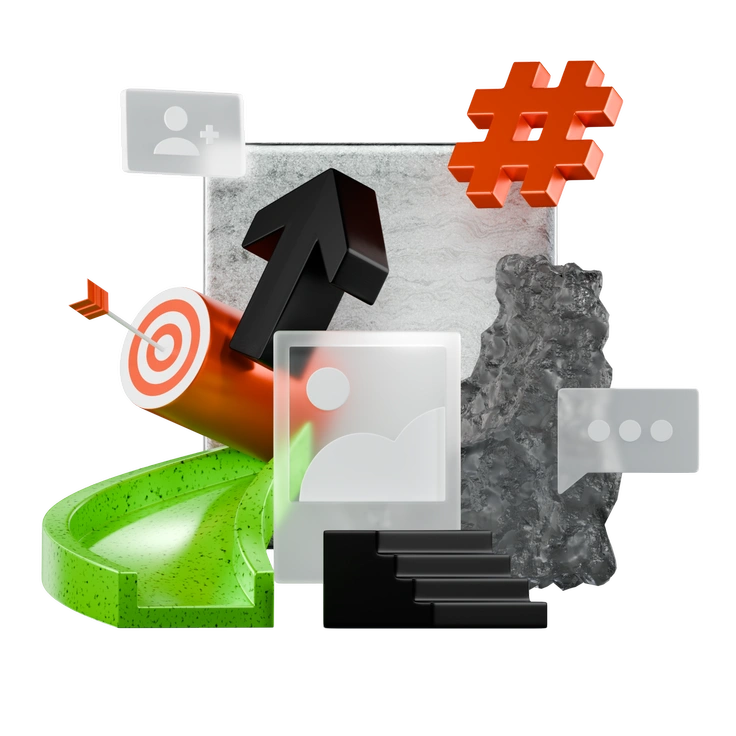
3D Platforms builds layered podiums and stages, while 3D Isometric arranges devices across flatter surfaces for process storytelling.

3D Playful uses bouncy proportions and bright palettes for friendly scenes; 3D Isometric stays stricter and schematic for business communication.
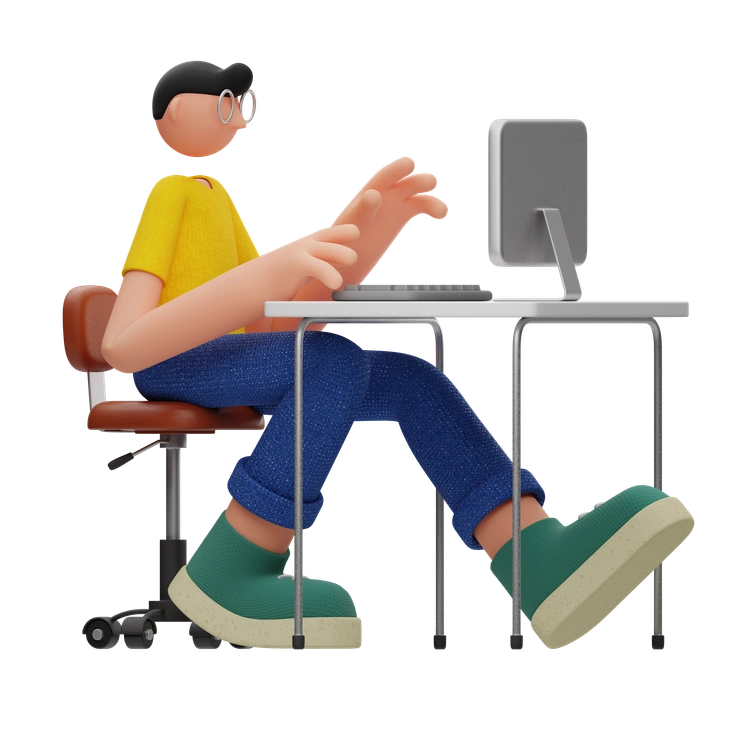
3D Rondi favors rounded pill-like forms and soft corners, whereas 3D Isometric keeps sharper geometry and stronger separations between planes.
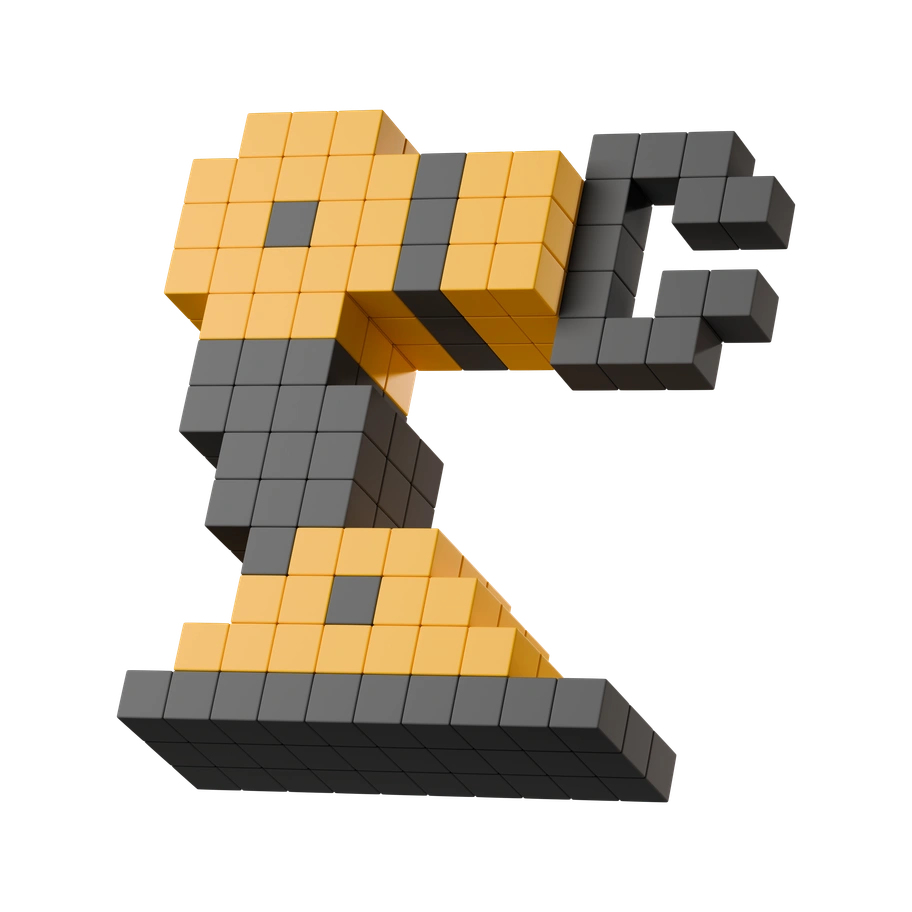
3D Stickle represents people as thin stick figures, while 3D Isometric largely omits characters and emphasizes devices plus structural objects.
Frequently asked questions


Start using 3D Isometric illustrations today
Download PNGs for quick mockups or switch to SVG on a paid plan for full recoloring. Drop scenes straight into Figma or pitch decks and finish your story faster today.