





3D Crystex Style Illustrations
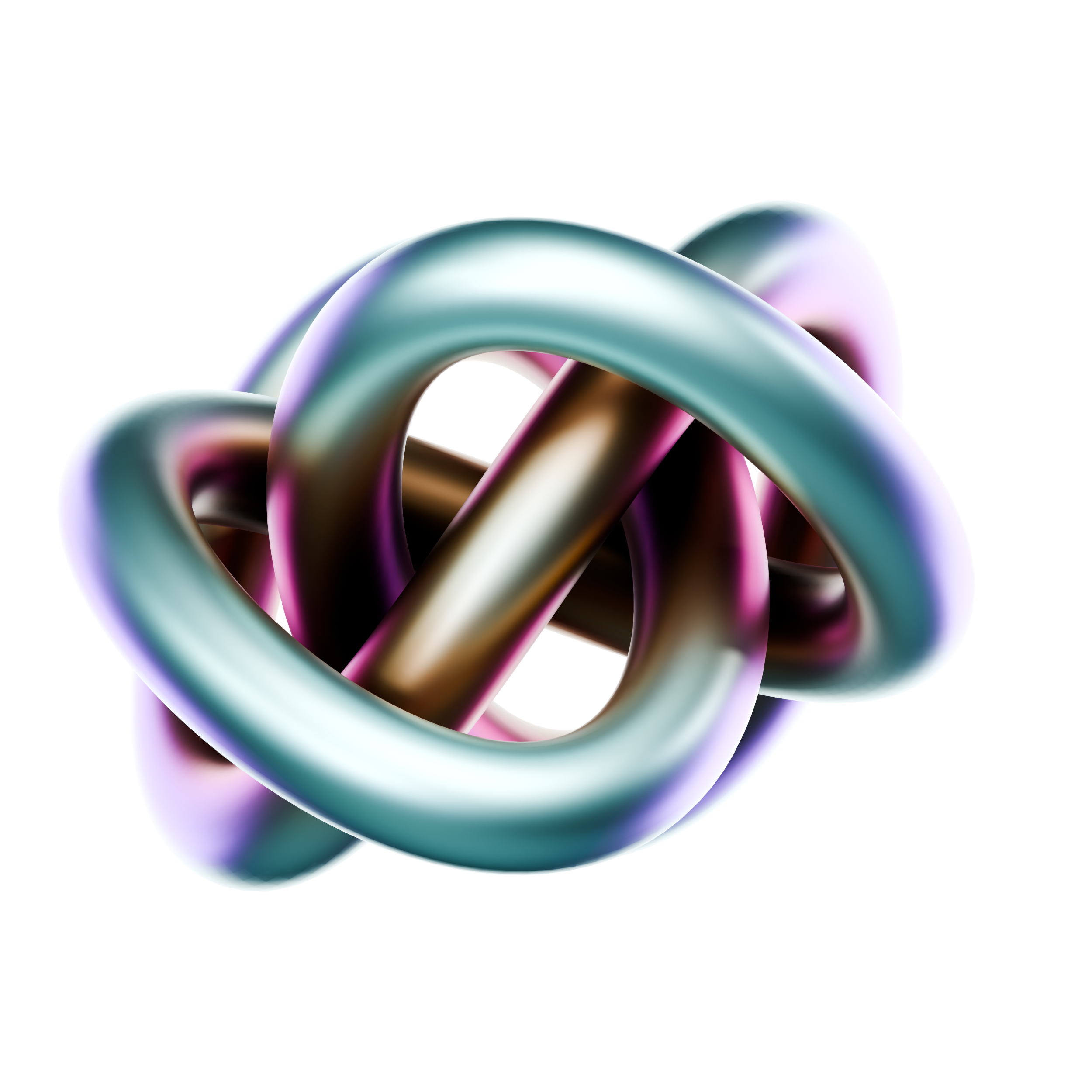
3D Crystex surrounds your layouts with abstract tech artifacts. Glassy loops and metallic knots sit beside crystalline grids, so digital products feel experimental while staying minimal enough for clean UI and motion graphics.


What is 3D Crystex Style?
Rounded forms and sharp edges coexist in 3D Crystex objects. Glassy materials catch light against matte planes. Metallic skins and crystalline cores create depth that feels like experimental hardware prototypes frozen mid-animation.
You'll find them in startup landing heroes and fintech dashboards where abstraction suggests advanced technology. Promo videos for innovation campaigns and experimental product teasers also benefit when realistic objects feel too literal.
For tech-first digital products


Tech geometry subjects
Crystalline cubes and metallic knots behave like enigmatic tech devices from unknown labs. Many scenes isolate a single looping band or lattice cluster, so you can browse by tag and match concepts quickly.
Narrowing down your tech aesthetic
Comparing styles helps you decide how experimental or human your project should feel before committing illustrations across products.
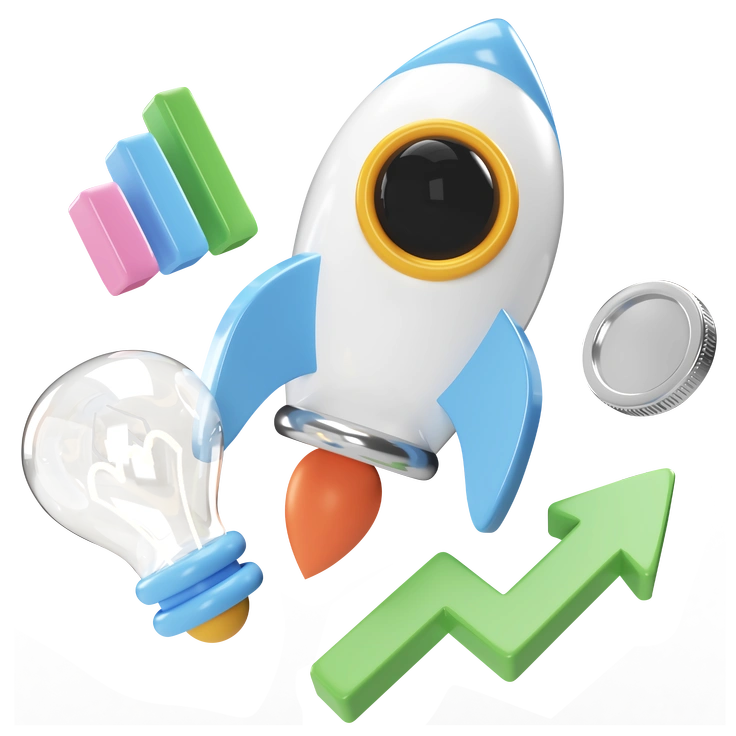
3D Corporate focuses on people and office scenes with muted colors, while Crystex stays abstract and saturated for techy brands.

3D Fluency uses soft plastic blobs and interface elements with playful gradients, while Crystex keeps harder geometry and stronger reflections.
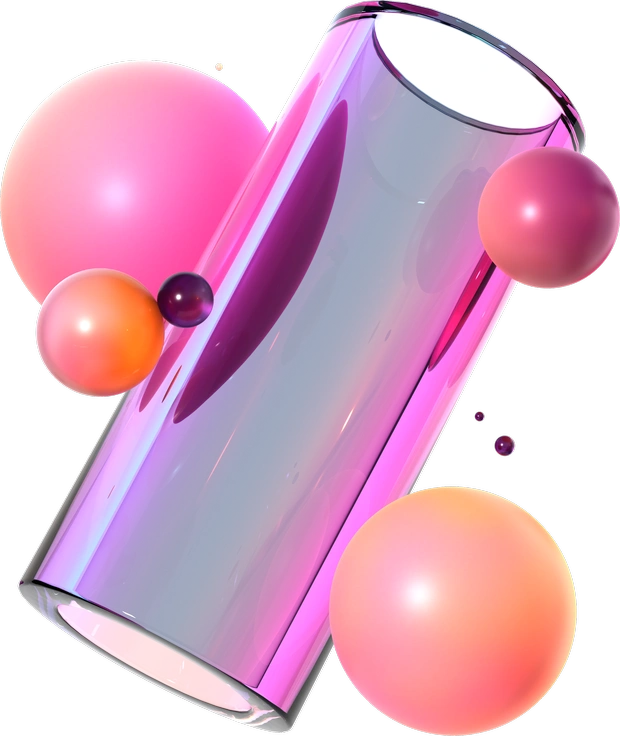
3D Glassy emphasizes translucent UI panels and icons. Crystex feels denser, focusing on standalone geometric artifacts rather than interface components.
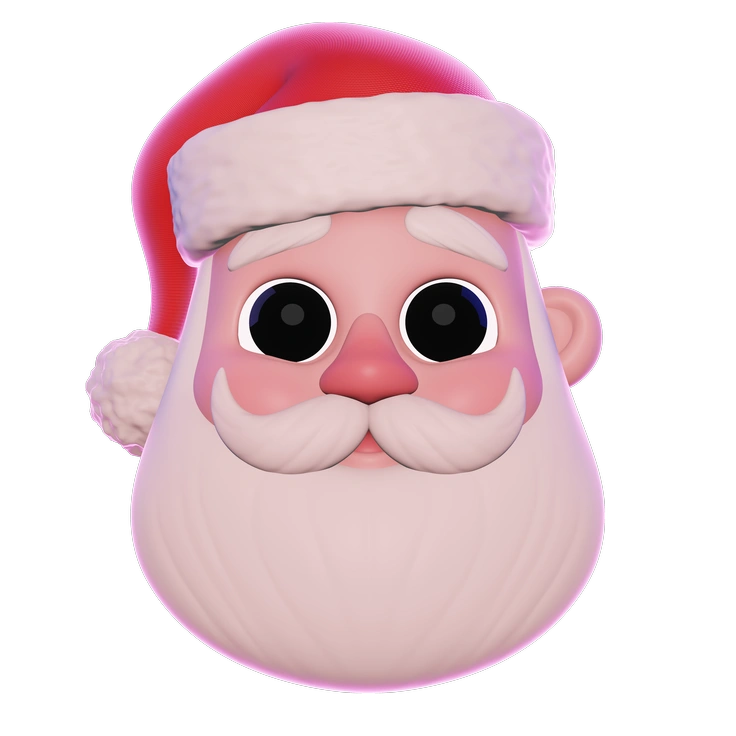
3D Holidays centers around seasonal symbols and characters with festive props, whereas Crystex stays abstract and technology themed.

3D Microsoft Fluent illustration follows Microsoft's icon language with familiar metaphors, while Crystex abandons real objects for speculative tech sculptures.

3D Plastic people focuses on stories and human poses. Crystex replaces bodies with anonymous geometric structures for conceptual tech topics.
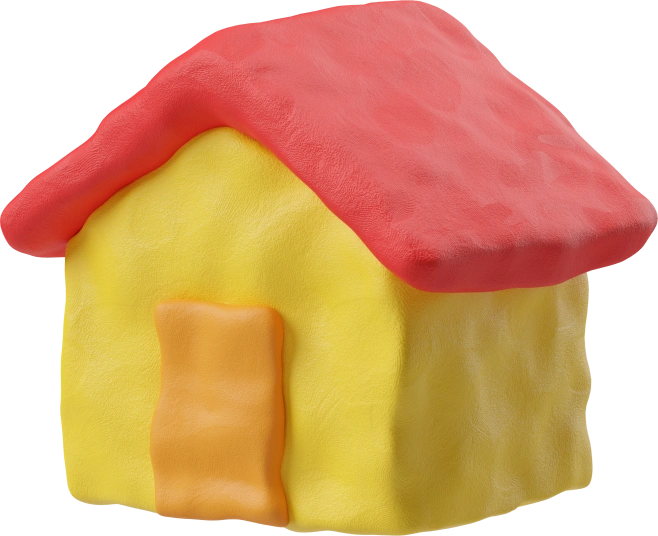
3D Plastilina mimics clay with soft edges and hand-shaped imperfections, while Crystex looks engineered with polished surfaces and precise symmetry.
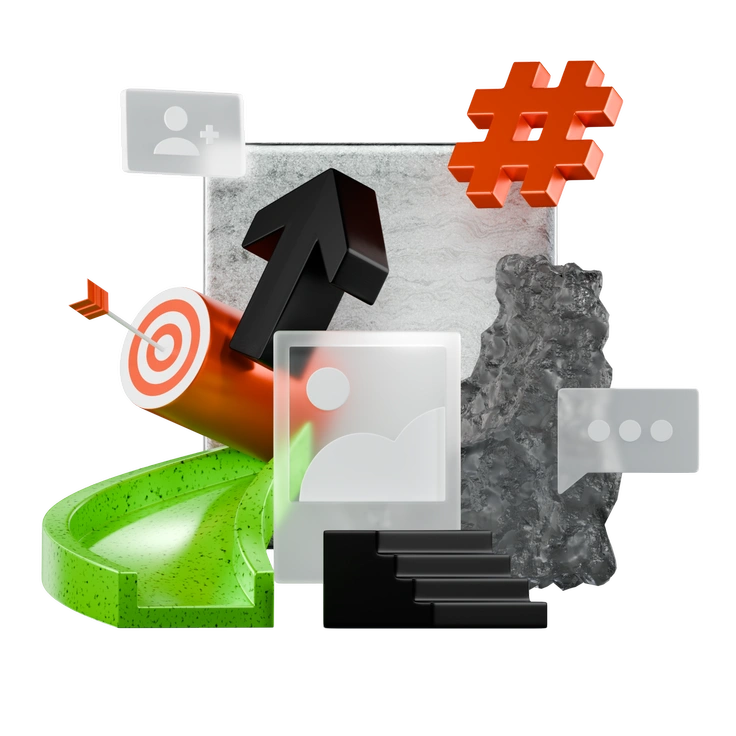
3D Platforms builds layered stages and podiums for UI mockups, whereas Crystex offers singular floating objects without predefined device frames.
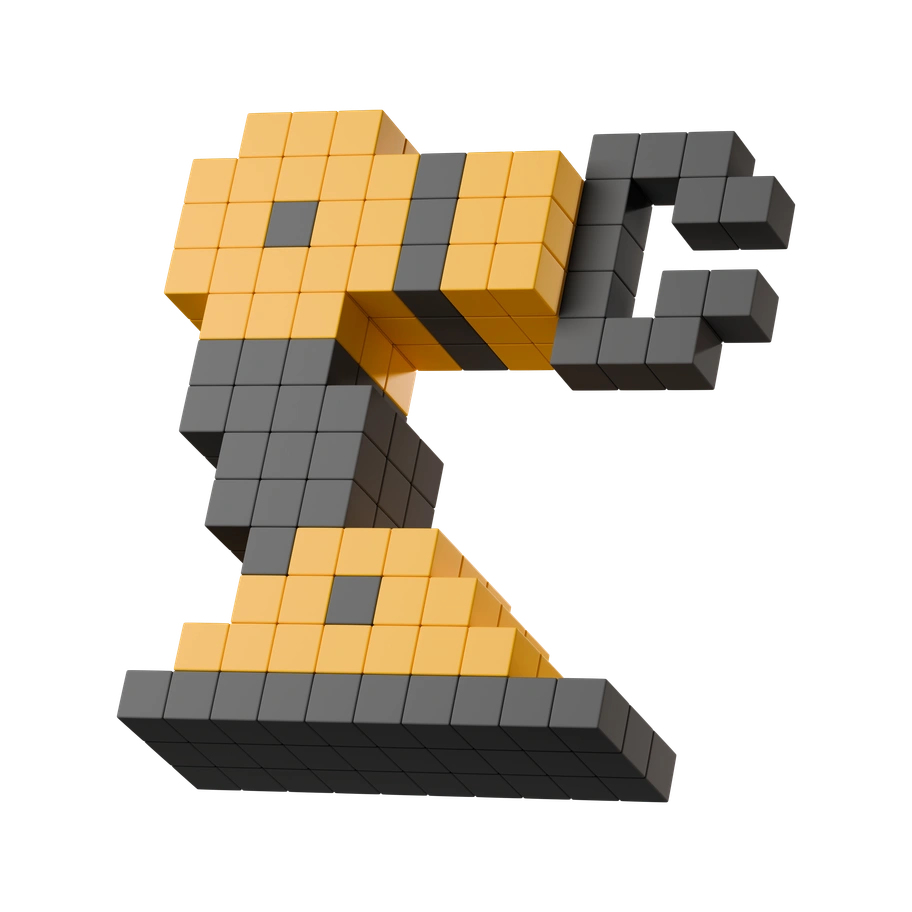
3D Stickle has cartoonish figures and props with bright shading. Crystex stays minimal and object focused for serious technology contexts.

3D Wrap bends ribbons and sheets around space in decorative ways, while Crystex emphasizes heavier volumetric knots and crystalline chunks.
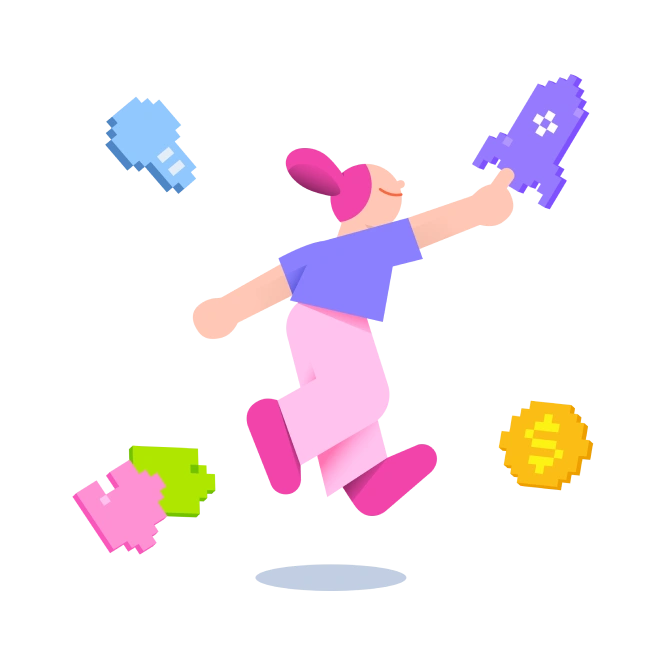
8bit uses pixel blocks and flat colors reminiscent of retro games. Crystex delivers smooth gradients and realistic reflections with depth.

Conifer focuses on flat nature scenes and friendly characters. Crystex shifts to synthetic geometry and lab-like artifacts for digital products.
Frequently asked questions


Start using 3D Crystex illustrations today
Download PNGs for quick mockups or drop SVGs straight into Figma and Webflow. Test them in heroes and dashboards, then reuse assets in social posts across products and launch campaigns.