








Glossy Style Illustrations
Glossy blends emoji-like simplicity with glassy gradients and reflections. Use it to brighten SaaS dashboards and onboarding flows. Tech presentations gain color without distracting from key numbers.



What is Glossy Style?
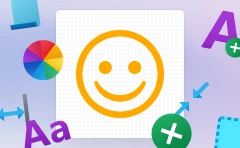
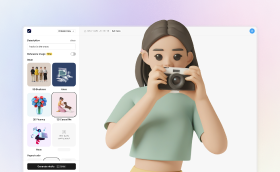
Clean geometry and bright gradients create glassy tiles that feel like polished icons. White highlights sit on rounded shapes and gentle shadows hint at depth without heavy perspective.
The style works across onboarding flows and pricing pages. Explainer dashboards benefit too. Product marketers and growth teams and indie founders pick Glossy when they need playful scenes that still read professional.
For playful product screens


Glossy illustration packs



What Glossy artists draw
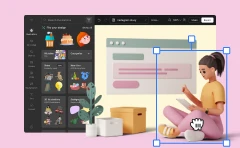
Friendly characters at laptops and bold device icons appear often in Glossy scenes. Abstract tiles suggest dashboards and data cards. Browse tags to jump straight into the themes you need.
Comparing glossy moods for products
Seeing Glossy beside other styles clarifies whether you need glassy gradients or softer cartoons or fully modeled 3D scenes.

3D Holidays uses fully modeled festive scenes with rich depth, while Glossy prefers flatter tiles and simplified emoji-inspired shapes.

3D Rondi feels toy-like with rounded volumes, while Glossy keeps flat geometry and sharper reflections for interface work.

3D Surfaced emphasizes material textures and strong shadows, whereas Glossy highlights smooth gradients with almost no depth and lighter tiles.

Active looks sketchier with hand-drawn lines and flatter washes; Glossy trades outlines for crisp blocks and glassy gradients.

Blossom leans into floral shapes and soft organic curves, while Glossy centers on device tiles and structured grids.
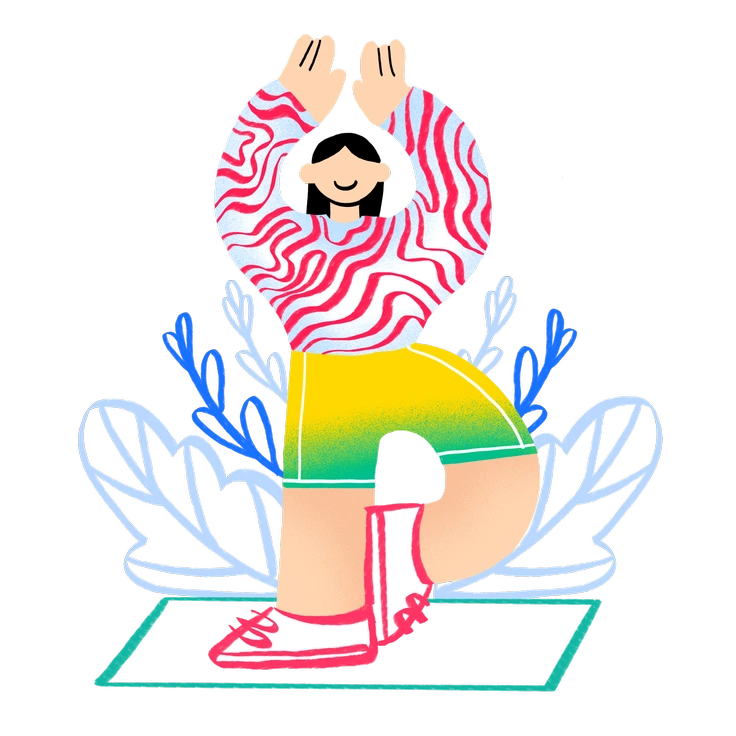
Bonny offers chubby characters and playful scenes with looser composition. Glossy feels tidier with icon-like people and organized panels.

Buddy focuses on expressive characters and storytelling moments. Glossy instead balances small figures with large UI tiles and symbolic objects.

Burst relies on bold shapes and flat color pops without shine, whereas Glossy adds reflective gradients and softer rounded geometry.

Comic brings inked outlines and speech bubbles. Glossy removes line work and uses glowing tiles that suit systematic product layouts.

Cyborg pushes into cyberpunk themes and darker palettes. Glossy stays brighter and more neutral for general-purpose dashboards and marketing sites.

Delight mixes pastel tones and soft gradients for gentle scenes, while Glossy turns saturation up and emphasizes shiny, high-contrast tiles.

Dizzy looks more experimental with warped shapes and playful abstractions. Glossy prefers orderly mosaics and icon-sized metaphors for clear interface storytelling.
Frequently asked questions


Start using Glossy illustrations today
Download PNGs for quick drops into mockups, or grab SVGs on a paid plan and adjust colors in Figma. Save favorite scenes in Pichon and reuse them across incoming projects.