Control group illustration techniques for effective research analysis and visualization

Control group illustration is crucial for effective research analysis in various fields. By utilizing control groups, researchers can better understand outcomes and variables. Through this process, data visualization becomes clearer and more impactful. The insights gained from control group illustration help in making informed decisions and advancing knowledge across different disciplines, enhancing overall research quality and effectiveness.

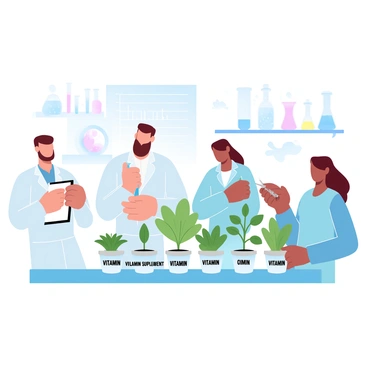
Conservators testing restoration techniques on different painting sectionsPsychologists observing two groups of people reacting to different stimuliParticipants experiencing VR simulations in test and control scenariosScientists studying vitamin effects on plant growth in a lab settingA scientist observing plants growing in a greenhouse, comparing two groupsResearchers monitoring cell cultures under different conditionsAI researchers analyzing data from controlled and experimental inputsResearchers measuring energy consumption in different home setupsStudents setting up a science project with different colored drink samplesNutritionists comparing results of two diet plans on individualsScientists in a lab analyzing the effect of drugs on bacteria in petri dishesGeneticists observing DNA sequences on control and experiment samplesScientists using satellite images to compare terrain changes over timeResearchers comparing water quality in treated and untreated pondsEngineers testing two machines, one with a new part and one withoutA teacher demonstrating a science experiment to students with two setupsConsumers trying two types of skincare products and giving feedbackResearchers studying fish populations in two controlled lake environmentsTherapists evaluating the effects of different music on patient moodCity planners discussing pollution levels in two neighborhoodsDoctors discussing results on a screen showing control and test patient dataEngineers testing robot performance in two different environmentsFocus group participants testing two versions of a productA farmer comparing crop yields with and without a new fertilizerResearchers in a field measuring plant growth with control and test plotsScientists testing solar panel efficiency in different weather conditionsA developer testing new software features on two different tabletsBiologists tracking animal behavior in two distinct forest areasCoaches observing athletes performing different training regimensTwo cages of mice being observed, one with a special diet and one standard
Nothing found in the community