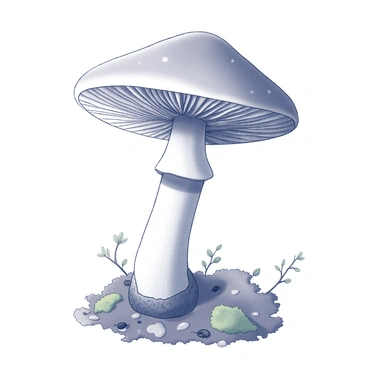
Form and function illustration biology concepts for understanding anatomy, structure principles

Form and function illustration biology is crucial for understanding the relationship between structure and function in living organisms. By studying biology, students learn about anatomical features and how they contribute to survival. This knowledge aids in comprehending complex systems and processes, enhancing their appreciation for the intricacies of life and the design principles that govern biological forms.

An aerial view of a forest canopy, highlighting the diverse forms of leaves and their functions in sunlight absorption.An underwater coral reef scene with diverse marine life, illustrating the symbiotic relationships within the ecosystem.A detailed view of a mushroom, showcasing its unique structure and the role it plays in the ecosystem.A majestic deer with impressive antlers in a forest setting, emphasizing their function in mating displays.A vibrant underwater scene showing various fish with unique body shapes adapted to their environments.A cross-section of a beehive showing the different cells and the function of each in supporting the colony.Different species of birds perched on branches, each with distinct beak shapes suited for their specific diets.A cactus in a desert setting, illustrating how its form helps it retain water in arid environments.A close-up of a spider web glistening with dew, illustrating how its structure is designed for trapping prey.A colorful flower in bloom with bees buzzing around, showcasing the relationship between form and function in pollination.A scene depicting different animals in their natural habitats, showcasing how their forms help them survive.A flock of birds in migration flying south, illustrating the form and function of their travel patterns.A colorful arrangement of tropical fruits, each with unique forms that attract specific animals for seed dispersal.An illustration showing the anatomy of a bird's wing with labels, explaining how its form aids in flight.A cross-section of soil showing various plant root systems and their functions in water and nutrient absorption.An illustration of a clownfish and sea anemone together, showcasing their mutualistic relationship.A scene of whales swimming underwater, with sound waves depicted to illustrate their communication.A close-up illustration of a leaf dissected to show its veins and stomata, explaining its function in photosynthesis.Different animals with unique eye shapes and placements, showcasing how vision adaptations aid their survival.An illustration of various mammals with different fur types, emphasizing how it protects them in diverse climates.Different types of beetles displayed together, emphasizing how varied forms serve different ecological functions.A snake blending into its surroundings, highlighting how its coloration serves as a functional adaptation.A detailed view of a beetle's exoskeleton, highlighting its protective features and functions.A variety of shelled creatures like turtles and snails, highlighting the protective function of their shells.A vibrant depiction of an ant colony working together, illustrating the different roles and functions of each ant.A dynamic scene of various animal skeletons in motion, illustrating how their designs facilitate movement.A paleontologist examining fossils, depicting how ancient forms provide insight into evolutionary function.An illustration of the human body with visible organ systems, highlighting their functions and interconnections.An armadillo curling into a ball, demonstrating its unique form as a defense mechanism against predators.An illustration displaying the lifecycle of a frog, from egg to tadpole to adult, emphasizing changes in form and function.
Nothing found in the community